How I Fixed My Daily Aches: Real Talk on Massage Therapy Meets Smart Movement
Ever feel stiff after sitting all day or sore from overdoing it at the gym? I’ve been there—waking up with neck tension, struggling to bend down, or feeling like my body’s moving in slow motion. After years of trial and error, I discovered how combining simple massage techniques with smart daily movement can make a real difference. This isn’t about quick fixes, but sustainable relief backed by real habits that work. Let me walk you through what actually helped me regain comfort and mobility—no magic, just practical steps grounded in real-life experience.
The Hidden Cost of Daily Life: Why Aches and Stiffness Creep In
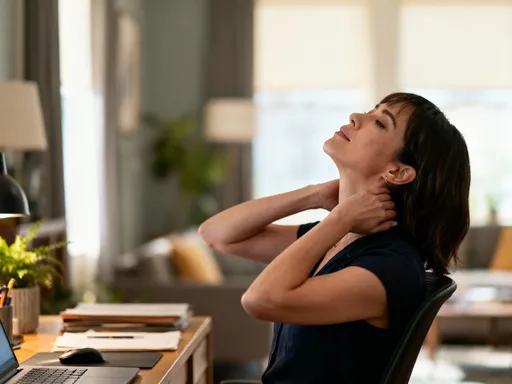
Modern life often demands long hours spent seated—whether at a desk, in front of a screen, or behind the wheel. While convenient, this sedentary rhythm takes a quiet but powerful toll on the body. Muscles that are not regularly engaged begin to weaken, while others, especially those involved in posture, become overworked and tight. The neck, shoulders, lower back, and hips are particularly vulnerable to this imbalance. Over time, what starts as occasional stiffness can evolve into persistent discomfort that affects daily activities and quality of life.
Repetitive movements and poor posture contribute significantly to this cycle. Many people unconsciously hunch forward while working or scroll on devices with their heads lowered, creating what is commonly known as “tech neck.” This position places added strain on the cervical spine and surrounding muscles. Similarly, standing or lifting with improper alignment—such as twisting while carrying groceries or bending at the waist instead of the knees—can lead to cumulative stress on joints and soft tissues. These small misalignments, repeated daily, create patterns of tension that the body adapts to, often without immediate pain, until the threshold of discomfort is crossed.
Stress plays a parallel role in physical strain. When the mind is under pressure, the body often responds with increased muscle tension, especially in the upper back, shoulders, and jaw. This physiological reaction, part of the body’s natural “fight or flight” response, was designed for short-term survival situations. However, in modern life, stress is frequently chronic, meaning the body remains in a low-grade state of alertness. As a result, muscles stay contracted longer than necessary, reducing blood flow and oxygen delivery, which in turn slows recovery and increases soreness. The connection between mental load and physical tension is well-documented, reinforcing the need for holistic strategies that address both movement and nervous system regulation.
Recognizing these patterns is the first step toward change. Awareness allows individuals to interrupt the cycle before minor aches become entrenched habits of pain. Simple shifts—like adjusting chair height, taking short walking breaks, or practicing mindful breathing—can begin to reset the body’s default settings. But awareness alone is not enough. To truly counteract the hidden cost of daily life, active recovery tools such as massage therapy and intentional movement must be integrated into routine self-care.
What Massage Therapy Really Does (Beyond Just Feeling Good)
Massage therapy is often associated with relaxation and luxury, but its benefits extend far beyond temporary comfort. At its core, massage works by manipulating soft tissues—muscles, tendons, ligaments, and fascia—to support physiological recovery and improve function. One of the primary mechanisms is enhanced circulation. When pressure is applied during massage, blood flow increases to the targeted areas, delivering more oxygen and nutrients while helping remove metabolic waste products like lactic acid. This process supports muscle repair and reduces inflammation, which can accelerate recovery after physical exertion or prolonged inactivity.
Another critical benefit is the reduction of muscle tension and trigger points—localized areas of tightness that can refer pain to other parts of the body. For example, a knot in the upper trapezius muscle may cause headaches or radiating discomfort into the neck and arms. Techniques such as myofascial release and trigger point therapy focus on releasing these restrictions by applying sustained pressure or slow, deliberate strokes. These methods help restore normal tissue texture and elasticity, allowing muscles to return to their optimal length and function. Over time, this can improve range of motion and decrease the likelihood of strain during everyday movements.
Equally important is massage’s effect on the nervous system. Chronic tension often keeps the sympathetic nervous system—the body’s “on” switch—overactive. Regular massage has been shown to promote parasympathetic dominance, the “rest and digest” state, which supports deeper relaxation and healing. This shift not only reduces perceived pain but also improves sleep quality and emotional well-being, both of which are essential for long-term recovery. While massage cannot cure underlying medical conditions, it plays a valuable role in managing symptoms and creating a physiological environment conducive to healing.
Despite its benefits, massage is not a standalone solution. It works best when combined with other supportive practices, particularly movement. Some people expect immediate, dramatic results after one session, but lasting change typically requires consistency and integration with daily habits. Additionally, not all types of massage are appropriate for every condition. For instance, deep tissue work may be beneficial for chronic tightness but could aggravate an acute injury. That’s why understanding the different techniques and their purposes is key to using massage effectively and safely.
My Go-To Self-Massage Moves That Actually Work
While professional massage sessions offer deep therapeutic benefits, they aren’t always accessible on a regular basis. That’s where self-massage tools come in—affordable, convenient, and effective when used correctly. Over time, I’ve experimented with various methods and found that consistency with simple techniques yields better results than occasional intense sessions. The key is knowing how to use tools like foam rollers, massage balls, and handheld massagers in a way that supports, rather than strains, the body.
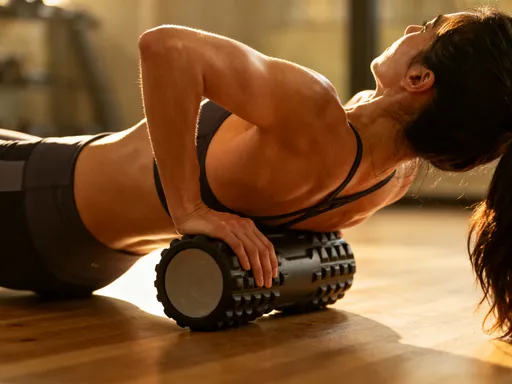
For the upper back and shoulders, a foam roller is ideal for releasing tension along the thoracic spine. I lie on the floor with the roller positioned horizontally beneath my shoulder blades, supporting my head with my hands to avoid neck strain. Then, I gently roll up and down a few inches, pausing on any tender spots for 20 to 30 seconds. This helps open up the chest and counteracts the forward-hunching posture many develop from desk work. I do this for five minutes each evening, and over time, I’ve noticed improved posture and easier breathing.
For more targeted relief, especially in the neck and shoulders, I use a small massage ball. Placing it between my back and a wall, I slowly move my body to locate tight areas—often near the base of the skull or along the upper trapezius. Once I find a trigger point, I hold gentle pressure until the sensation begins to ease, usually within half a minute. It’s important not to push too hard; discomfort should remain manageable, never sharp or unbearable. This technique has been especially helpful for relieving tension headaches and morning stiffness.
For the legs, particularly the calves and hamstrings, I rely on a dense foam roller or a vibrating massage roller. Sitting on the floor with legs extended, I roll slowly from just below the knee to the back of the thigh, focusing on areas that feel tight. If I’m short on time, even two minutes per leg makes a difference. I’ve learned that timing matters—using the roller after a walk or light movement yields better results than when muscles are completely cold. I also avoid rolling directly over joints or bones, sticking only to fleshy muscle areas to prevent irritation.
One lesson I’ve learned through trial and error is that more pressure isn’t always better. Early on, I pushed too hard, thinking it would speed up results, but this often left me sore and discouraged. Now, I prioritize consistency and gentle progression. Even five to ten minutes a day, done regularly, has led to noticeable improvements in mobility and comfort. These self-massage practices have become non-negotiable parts of my routine—small investments that pay off in how I feel each morning and throughout the day.
Why Movement Is the Missing Piece in Recovery
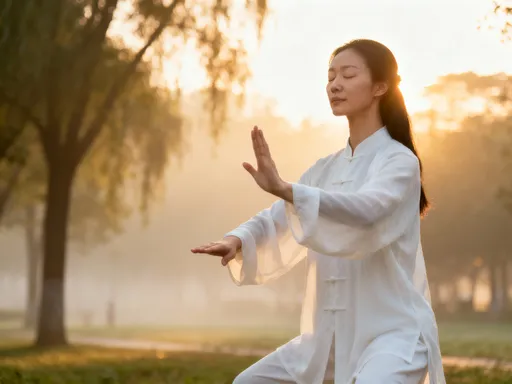
For years, I believed stretching was the answer to stiffness. I’d reach for my toes, pull my arms across my chest, and hold each position for thirty seconds, expecting relief. While static stretching has its place, I eventually realized it wasn’t enough. The real breakthrough came when I shifted from passive stretching to active, dynamic movement—gentle motions that take joints through their full range while engaging muscles in a functional way.
The science behind this shift is compelling. Unlike static stretching, which focuses on lengthening muscles in a stationary position, dynamic movement stimulates the nervous system and encourages muscles to fire in coordinated patterns. This is crucial because pain and stiffness are often not just about tightness—they’re also about poor communication between the brain and muscles. When certain muscles become inhibited due to inactivity or compensation, others overwork to make up the difference, leading to imbalances. Dynamic movement helps “wake up” underused muscles and restore balanced activation.
Movement also supports the lymphatic system, which plays a vital role in clearing inflammation and cellular waste. Unlike the circulatory system, which has a pump (the heart), the lymphatic system relies on muscle contractions to move fluid. Without regular motion, this system slows down, contributing to swelling and delayed recovery. Simple actions like shoulder rolls, cat-cow stretches, or ankle circles can stimulate lymph flow and enhance the benefits of massage by helping flush out metabolic byproducts.
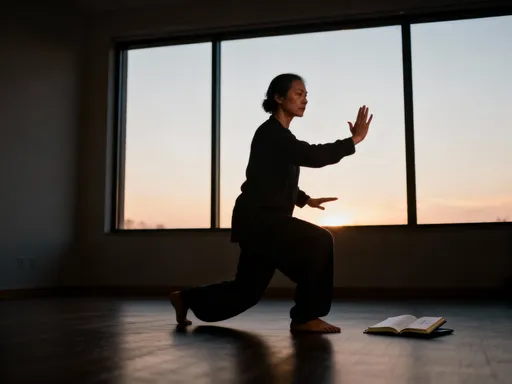
A real-life example of this synergy is my morning routine. Instead of lying in bed scrolling through my phone, I now spend five minutes on a mobility sequence: pelvic tilts, knee-to-chest rocks, and gentle spinal twists. These movements are slow and controlled, designed to lubricate the joints and signal the nervous system that it’s time to wake up. Within weeks of starting this habit, I noticed I could get out of bed more easily, with less lower back tightness and improved overall energy. It wasn’t a dramatic change, but a cumulative one—proof that small, consistent actions can reshape how the body feels day after day.
Designing a Simple Daily Movement Plan That Complements Massage
Creating a sustainable movement routine doesn’t require hours at the gym or complex exercises. The goal is to build a simple, repeatable plan that supports recovery and integrates naturally into daily life. I’ve found that a four-part framework works best: warm-up, activate, mobilize, and stabilize. Each component addresses a different aspect of physical health and, when combined with self-massage, creates a powerful feedback loop for long-term relief.
The warm-up phase prepares the body for movement by increasing blood flow and raising core temperature. This can be as simple as marching in place, arm swings, or gentle torso rotations. Five minutes is usually enough to shift the body from a sedentary state to one ready for activity. Following this, activation exercises target muscles that tend to “sleep” due to inactivity—such as the glutes, deep core, and mid-back. Bridges, clamshells, and band-resisted rows are effective for re-engaging these areas. These movements are done slowly, with focus on feeling the correct muscles work.
Mobilization comes next, emphasizing joint range of motion. This includes movements like thoracic spine rotations, hip circles, and neck glides—smooth, controlled motions that improve flexibility and reduce stiffness. Unlike aggressive stretching, mobilization is done with control and awareness, making it safer and more effective for daily use. Finally, stabilization exercises challenge balance and coordination, such as single-leg stands or bird-dog holds, which strengthen the body’s ability to maintain proper alignment during everyday tasks.
For desk workers, a shortened version of this routine can be done during breaks—standing up every hour to perform a few thoracic rotations or seated pelvic tilts. Weekend athletes benefit from doing the full sequence before and after workouts to prime the body and aid recovery. Active parents can incorporate movements into daily routines—doing calf raises while brushing teeth or shoulder rolls while waiting for the kettle to boil. The key is to pair movement with self-massage strategically: rolling out tight areas first, then moving through the full range to reinforce new length and function. This sequence—release, then move—has proven far more effective than either approach alone.
When to Seek Professional Help: Knowing the Limits
Self-care practices like massage and movement are powerful, but they are not substitutes for professional evaluation when pain persists or worsens. There are certain red flags that indicate it’s time to consult a licensed physical therapist, chiropractor, or medical provider. These include sharp or shooting pain, numbness or tingling that radiates down an arm or leg, loss of strength, or symptoms that interfere with sleep or daily function. Pain that doesn’t improve after several weeks of consistent self-care should also prompt a professional assessment.
Licensed practitioners bring expertise that goes beyond general advice. They can perform movement screens to identify specific imbalances, assess joint mechanics, and design personalized treatment plans. For example, what feels like a tight hamstring might actually stem from limited hip mobility or nerve tension—issues that require targeted interventions. A skilled therapist can differentiate between muscular, joint, and neurological causes of pain, ensuring that treatment addresses the root cause, not just the symptom.
Building a support team can make a significant difference in long-term outcomes. Many women in their 30s to 50s juggle multiple roles—parent, employee, caregiver—and may neglect their own health until pain becomes unavoidable. Working with a physical therapist for rehabilitation, a massage therapist for soft tissue care, and possibly a certified movement coach for ongoing guidance creates a network of support that fosters accountability and progress. These professionals don’t just treat pain—they educate, empower, and help clients develop lifelong habits for resilience.
Building a Sustainable Routine: Small Habits That Add Up
The biggest challenge isn’t knowing what to do—it’s doing it consistently. Many people start strong with new routines but lose momentum within weeks. The secret to long-term success lies in designing habits that fit seamlessly into existing life, rather than requiring a complete overhaul. One effective strategy is habit stacking—pairing a new behavior with an established one. For instance, doing a two-minute foam roll while the coffee brews, or performing shoulder rolls during TV commercials, makes it easier to stay consistent without adding extra time to the day.
Environment also plays a crucial role. I keep my foam roller and massage ball in plain sight—next to the couch or beside my bed—so they’re easy to access. Out of sight often means out of mind, but visible cues serve as gentle reminders to take a few minutes for self-care. Setting phone reminders or using a habit-tracking app can also reinforce commitment, especially in the early stages of building a new routine.
Progress doesn’t have to be measured in dramatic milestones. Small wins—like bending down to tie shoes without wincing, or turning your head to check a blind spot while driving—add up over time. Celebrating these moments fosters motivation and reinforces the value of daily effort. Most importantly, approaching this journey with compassion, not perfection, allows for setbacks without guilt. Some days will be better than others, and that’s okay. The goal is not to eliminate all discomfort forever, but to build a body that recovers faster, moves easier, and feels stronger with each passing week.
Long-term vitality isn’t about extreme measures or chasing quick fixes. It’s about showing up for yourself in small, meaningful ways—listening to your body, responding with care, and trusting that consistent action leads to real change. By combining the restorative power of massage with the activating force of smart movement, it’s possible to reclaim comfort, mobility, and confidence in your body’s ability to heal and thrive.