What I Learned About Cholesterol from Real Life — No Hype, Just Truths
High cholesterol sneaked up on me quietly — no symptoms, just a wake-up call at my annual checkup. That moment changed how I eat, think, and live. If you're navigating the same path, you're not alone. This isn’t about drastic fixes or miracle diets. It’s about understanding what really affects your lipids and making smart, sustainable choices. Let’s break down the foods that can quietly derail your progress — and what actually works. The journey to better lipid health begins not with fear, but with knowledge. And the truth is, small, consistent changes can lead to meaningful, lasting improvements in how you feel and how long you live.
The Silent Risk: Why Cholesterol Matters More Than You Think
Blood lipids, including cholesterol and triglycerides, are essential fats that circulate in your bloodstream. Cholesterol is used to build cells and produce hormones, while triglycerides store unused calories and provide energy between meals. However, when levels of these lipids rise too high — particularly low-density lipoprotein (LDL) cholesterol, often called “bad” cholesterol — they can begin to accumulate in the walls of your arteries. Over time, this buildup forms plaque, which narrows and hardens the arteries, a condition known as atherosclerosis. This process significantly increases the risk of heart attack and stroke, two of the leading causes of death worldwide.
What makes high cholesterol especially dangerous is its silence. Unlike other health conditions that come with noticeable symptoms like pain or fatigue, high cholesterol typically causes no warning signs. Many people feel perfectly fine until a serious cardiovascular event occurs. This misconception — that feeling healthy means being healthy — is one of the most common and dangerous beliefs when it comes to heart health. A person may eat poorly, be sedentary, and carry excess weight, yet feel energetic and capable, assuming their body is coping well. In reality, damage may already be occurring beneath the surface.
Regular screening is therefore one of the most powerful tools for prevention. Experts recommend that adults aged 20 and older have their lipid levels checked every four to six years, or more frequently if they have risk factors such as family history, obesity, or diabetes. A simple blood test, often done after a fasting period, can reveal total cholesterol, LDL, high-density lipoprotein (HDL), and triglyceride levels. HDL, known as “good” cholesterol, helps remove excess cholesterol from the bloodstream and transport it to the liver for disposal. Higher HDL levels are generally protective, while elevated LDL and triglycerides are associated with increased risk.
Understanding these numbers is the first step toward taking control. For example, an LDL level above 160 mg/dL is considered high, while optimal HDL levels are above 60 mg/dL. However, targets may vary based on individual risk. The goal is not to memorize numbers but to recognize that lipid health is dynamic — influenced by diet, activity, genetics, and lifestyle. Early awareness allows for early intervention, often through modest changes that prevent the need for medication. Waiting until symptoms appear is not a strategy — it’s a gamble. And when it comes to heart health, the stakes are too high to leave anything to chance.
Food Traps: What’s Actually Harming Your Lipid Levels
While genetics play a role in cholesterol levels, diet is one of the most influential factors within your control. Certain foods can significantly raise LDL cholesterol and triglycerides, often without immediate consequences that signal a problem. Among the most damaging are those high in trans fats, saturated fats, refined carbohydrates, and added sugars. These ingredients are common in modern diets, especially in processed and convenience foods, making them easy to consume in excess without realizing their impact.
Trans fats, once widely used in packaged baked goods and fried foods, are particularly harmful. They not only raise LDL cholesterol but also lower HDL, creating a double threat to heart health. Although many countries have restricted artificial trans fats, they may still be present in some margarines, snack foods, and frozen meals. Saturated fats, found in fatty cuts of meat, full-fat dairy, and tropical oils like coconut and palm oil, can also raise LDL when consumed in excess. While not as dangerous as trans fats, they should be limited, especially for individuals with existing lipid concerns.
Refined carbohydrates and added sugars are less obvious contributors but equally important. Foods like white bread, pastries, sugary cereals, and soft drinks cause rapid spikes in blood sugar, prompting the pancreas to release insulin. Over time, frequent spikes can lead to insulin resistance, a condition in which cells no longer respond effectively to insulin. This metabolic shift promotes the liver’s production of triglycerides, leading to elevated levels in the blood. High triglycerides are linked not only to heart disease but also to fatty liver disease and metabolic syndrome.
Consider the typical breakfast of a muffin and a fruit-flavored yogurt drink. While it may seem harmless, this meal can contain more than 30 grams of added sugar — nearly the entire daily limit recommended by health authorities. The refined flour and sugar are quickly digested, spiking insulin and contributing to fat storage, including in the liver. Similarly, a fast-food lunch of a fried chicken sandwich and fries delivers a heavy load of saturated and trans fats, along with refined carbs, all of which work together to disrupt lipid balance. These choices may feel convenient, but their long-term cost to heart health is substantial.
Hidden Fats: The Sneaky Ingredients You’re Probably Eating
One of the biggest challenges in managing cholesterol is identifying hidden sources of unhealthy fats. These ingredients are not always obvious, especially when they are embedded in foods marketed as healthy or convenient. Margarine, for example, was once promoted as a heart-healthy alternative to butter, but many traditional stick margarines contained trans fats due to partial hydrogenation — a process that turns liquid oils into solid fats. While many brands have reformulated, it’s still important to read labels carefully.
Packaged sauces, salad dressings, and condiments are other common culprits. A single serving of creamy Italian dressing can contain several grams of saturated fat and hidden sugars. Similarly, frozen meals, even those labeled “low-calorie” or “diet,” often rely on saturated fats and sodium to enhance flavor and texture. Gravies, canned soups, and instant rice or noodle products may also contain hydrogenated oils or high levels of saturated fat, especially if they include cheese, cream, or processed meats.
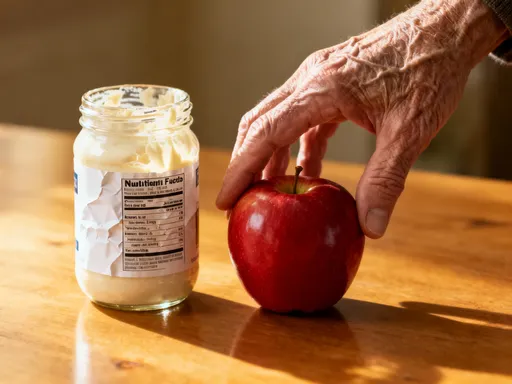
Reading nutrition labels is a crucial skill for anyone managing lipid levels. Look for the phrase “partially hydrogenated oils” in the ingredient list — this is a clear indicator of trans fats, even if the label claims “0 grams trans fat.” Due to labeling regulations, products can list zero if they contain less than 0.5 grams per serving, but consuming multiple servings can still add up. Also, check the saturated fat content: aim for products with less than 2 grams per serving, especially in snacks and side dishes.
Simple ingredient swaps can make a big difference without sacrificing taste. Use olive oil instead of butter for cooking and dressings. Choose air-popped popcorn over microwave varieties with artificial butter flavor. Replace creamy dips with hummus or guacamole made from avocado, which contains heart-healthy monounsaturated fats. When buying bread or crackers, opt for whole grain versions with no trans fats and minimal saturated fat. These changes may seem small, but over time, they reduce the overall burden on your liver and cardiovascular system, supporting better lipid profiles.
Carbs That Backfire: The Sugar-Lipid Connection
The relationship between sugar and lipid levels is often overlooked, yet it plays a critical role in heart health. When you consume excess sugar — especially in the form of fructose found in high-fructose corn syrup and table sugar — your liver converts it into fat. This process increases the production of triglycerides, which are then released into the bloodstream. Over time, consistently high triglyceride levels contribute to fatty liver, insulin resistance, and an increased risk of cardiovascular disease.
Refined carbohydrates behave similarly. Foods made with white flour, such as white bread, bagels, pastries, and crackers, are quickly broken down into glucose, causing rapid spikes in blood sugar and insulin. The body stores excess glucose as fat, particularly in the liver and abdominal area. This storage pattern is linked to visceral fat, a type of fat that surrounds internal organs and is strongly associated with metabolic dysfunction. Even foods labeled “multigrain” or “made with whole wheat” can be highly processed and high in added sugars, so it’s important to read the ingredient list carefully.
Sweetened beverages are among the worst offenders. A single 12-ounce can of soda can contain up to 40 grams of sugar — more than the American Heart Association’s recommended daily limit for women. Studies show that people who drink one or more sugary drinks per day have significantly higher triglyceride levels than those who avoid them. The danger is not just in the sugar content, but in the speed at which it is consumed. Liquid calories bypass the feeling of fullness, making it easy to consume large amounts without realizing it.
Real-life changes can yield measurable results. One woman, after switching from daily soda to water and herbal tea, saw her triglycerides drop from 250 mg/dL to 140 mg/dL within six months — a significant improvement that reduced her cardiovascular risk. Another found that replacing her morning muffin with oatmeal and fruit stabilized her energy and lowered her LDL. These stories highlight a powerful truth: what you drink and eat every day shapes your internal health in ways that blood tests can reveal, even when you feel fine.
Eggs, Meat, and Dairy: Clearing the Confusion
Few topics in nutrition generate as much debate as eggs, meat, and dairy. For years, eggs were blamed for raising cholesterol due to their high dietary cholesterol content. However, modern research shows that for most people, dietary cholesterol has a relatively small impact on blood cholesterol levels. The liver adjusts its own cholesterol production based on intake, so eating eggs in moderation — up to one whole egg per day — is generally safe for healthy individuals. The bigger concern is how eggs are prepared: fried in butter or served with bacon and sausage increases saturated fat intake, which has a greater effect on LDL.
Meat consumption requires similar nuance. While lean cuts of poultry and meat can be part of a heart-healthy diet, fatty cuts of red meat — such as ribeye steak, sausage, and bacon — are high in saturated fat and should be limited. Processed meats, in particular, are linked to higher risks of heart disease and cancer due to their high sodium, preservatives, and fat content. A better approach is to treat meat as a side rather than the centerpiece of a meal. Incorporate more plant-based proteins like beans, lentils, tofu, and edamame, which are naturally low in saturated fat and rich in fiber.
Dairy products also vary widely in their impact. Whole milk, full-fat cheese, and cream are high in saturated fat, while low-fat or fat-free versions provide the same essential nutrients — like calcium and vitamin D — with less risk to lipid levels. Fermented dairy such as plain yogurt and kefir may even support heart health by promoting a healthy gut microbiome. When choosing dairy, read labels and opt for unsweetened varieties to avoid added sugars.
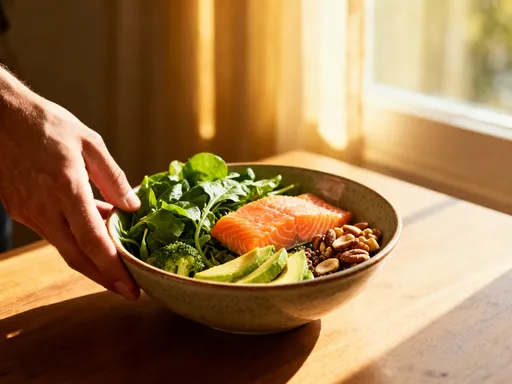
A sample day of balanced eating might include: a breakfast of oatmeal with berries and a boiled egg; a lunch of grilled chicken salad with mixed greens, avocado, and olive oil vinaigrette; a snack of apple slices with almond butter; and a dinner of baked salmon, quinoa, and steamed broccoli. This pattern emphasizes whole foods, healthy fats, and fiber — all of which support optimal lipid metabolism. The key is not elimination, but balance and portion control.
Building a Heart-Smart Plate: Practical Eating Strategies
Creating a lipid-friendly diet doesn’t require strict rules or expensive ingredients. Instead, it’s about building meals that naturally support heart health. A simple guideline is to divide your plate: 50% non-starchy vegetables, 25% lean protein, and 25% whole grains or starchy vegetables. This visual cue makes it easy to maintain balance without counting calories or macros.
Vegetables are rich in fiber, antioxidants, and phytonutrients that help reduce inflammation and support healthy blood vessels. Aim for a variety of colors — dark greens, reds, oranges, and purples — to ensure a broad range of nutrients. Fiber, especially soluble fiber found in oats, beans, apples, and flaxseeds, binds to cholesterol in the digestive tract and helps remove it from the body. Studies show that consuming 5 to 10 grams of soluble fiber per day can lower LDL by 5% to 10%.
Lean proteins include skinless poultry, fish, legumes, and low-fat dairy. Fatty fish like salmon, mackerel, and sardines are particularly beneficial due to their high omega-3 fatty acid content, which helps lower triglycerides and reduce inflammation. Plant sterols and stanols, found in fortified foods like certain margarines and orange juice, can also help block cholesterol absorption and lower LDL when consumed in amounts of 2 grams per day.
Cooking methods matter as much as ingredients. Steaming, grilling, baking, and sautéing with a small amount of healthy oil are far better than deep-frying or pan-frying in butter. Simple seasonings like garlic, lemon, herbs, and spices add flavor without salt or fat. Easy snack ideas include raw vegetables with hummus, a small handful of unsalted nuts, or Greek yogurt with cinnamon and fruit. These choices keep you satisfied while supporting lipid health.
Beyond Diet: Lifestyle Moves That Boost Results
Diet is powerful, but it works best when combined with other healthy habits. Physical activity is one of the most effective ways to improve lipid profiles. Regular exercise, especially aerobic activities like brisk walking, cycling, or swimming, raises HDL cholesterol and lowers triglycerides. Even 30 minutes of moderate activity most days of the week can make a difference. Strength training also helps by increasing muscle mass, which improves insulin sensitivity and supports healthy metabolism.
Weight management plays a key role. Excess weight, particularly around the abdomen, is strongly linked to high triglycerides, low HDL, and insulin resistance. Losing just 5% to 10% of body weight can significantly improve lipid levels and reduce cardiovascular risk. This doesn’t require drastic weight loss — small, sustainable changes in eating and activity are more effective in the long run.
Sleep and stress are often underestimated factors. Chronic stress increases cortisol, a hormone that can raise blood pressure and contribute to fat storage. Poor sleep disrupts hormones that regulate hunger and metabolism, leading to overeating and weight gain. Practicing mindfulness, deep breathing, or gentle yoga can help manage stress. Prioritizing seven to eight hours of quality sleep each night supports overall metabolic health.
Hydration is another simple but important habit. Drinking enough water helps the body metabolize fat efficiently and reduces the risk of overeating. Sometimes, thirst is mistaken for hunger, leading to unnecessary snacking. Replacing sugary drinks with water, herbal tea, or sparkling water with a splash of lemon can dramatically reduce sugar intake and support lipid balance.
Conclusion: Your Journey Starts with One Change
Managing cholesterol and triglycerides is not about perfection — it’s about progress. The journey begins with awareness: understanding that high lipid levels can exist without symptoms and that small, consistent choices add up over time. It’s not necessary to overhaul your entire diet overnight. Start with one change — perhaps switching from butter to olive oil, walking 20 minutes a day, or replacing soda with water. These steps may seem minor, but they build the foundation for lasting health.
Food is a powerful tool, but it’s only one part of the picture. Combining smart eating with regular activity, good sleep, and stress management creates a holistic approach to heart health. Remember, this is not a short-term fix but a long-term commitment to self-care. Your future self will thank you for the choices you make today. And while this information is based on current medical understanding, it is not a substitute for professional advice. Always consult your healthcare provider before making significant changes to your diet or lifestyle, especially if you have existing health conditions or are taking medication. With knowledge, support, and consistency, you can take meaningful control of your lipid health and live a fuller, healthier life.