Festivals in Fukuoka: A Slow Traveler’s Soulful Encounter with Tradition
Have you ever felt time slow down in a foreign city? In Fukuoka, I didn’t just visit—I lived. Through quiet mornings at local shrines and nights pulsing with festival drums, I discovered a Japan few tourists see. The city’s seasonal celebrations aren’t performances; they’re living traditions. This is slow travel at its finest: deep, authentic, and full of heart. More than sightseeing, it’s about stepping into the rhythm of daily life, where centuries-old rituals unfold not for cameras, but for community. In Fukuoka, tradition breathes. And for those willing to slow down, it offers a rare kind of belonging—even if only for a week.
The Spirit of Slow Travel in Fukuoka
Fukuoka, nestled on the northern shore of Kyushu, moves to a different beat than Japan’s bustling metropolises. While Tokyo races forward and Kyoto draws crowds with imperial grandeur, Fukuoka offers something quieter—a city where life unfolds at a human pace. This makes it an ideal destination for slow travel, a philosophy centered on immersion rather than itinerary. It’s not about ticking off landmarks but about lingering long enough to feel the pulse of a place. In Fukuoka, that pulse is steady, warm, and deeply rooted in community and season.
The city’s walkability enhances this experience. Neighborhoods like Tenjin, Nakasu, and Ohori unfold naturally on foot, inviting unplanned detours and spontaneous discoveries. A morning walk through Ohori Park, with its serene lake mirroring the skyline, sets a meditative tone. Benches beneath willow trees offer space to pause, observe, and simply be. Nearby, the tranquil grounds of Tocho-ji Temple—home to Japan’s largest wooden Buddha—invite quiet reflection. There’s no rush here. Visitors are not herded through turnstiles but welcomed into spaces designed for contemplation.
What sets Fukuoka apart is its balance of modernity and tradition. Skyscrapers rise beside centuries-old shrines, and high-speed trains connect the city to the rest of Japan, yet life remains grounded. Locals gather at yatai—open-air food stalls—long after dark, sharing stories over steaming bowls of ramen. This rhythm encourages travelers to do the same: to sit, to listen, to savor. Slow travel in Fukuoka isn’t a strategy—it’s a natural response to the city’s soul.
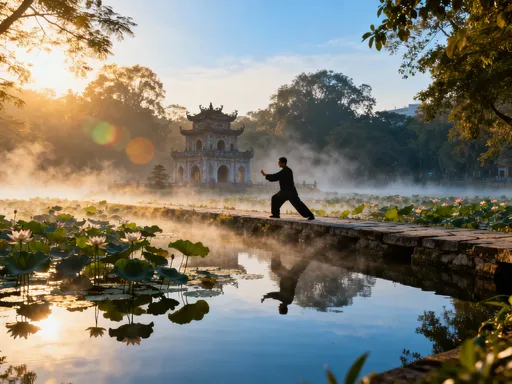
Choosing presence over productivity transforms the journey. Instead of rushing from shrine to shopping district, one might spend an entire morning watching elderly residents practice tai chi by the river, or join a tea ceremony in a hidden garden in Dazaifu. These moments, unremarkable on an itinerary, become the most memorable. They are not staged for tourists but lived in real time. In this way, Fukuoka teaches a quiet lesson: the richest travel experiences are not found in speed, but in stillness.
Hakata Gion Yamakasa: Fukuoka’s Beating Festival Heart
No event captures the spirit of Fukuoka more vividly than the Hakata Gion Yamakasa, a vibrant festival that has pulsed through the city’s veins for over 770 years. Held annually from July 1 to 15, this celebration blends Shinto tradition, physical endurance, and communal pride into a spectacle unlike any other in Japan. At its peak on the final morning—July 15—the streets of Hakata come alive at 4:59 a.m. with the thunderous charge of ten teams racing ornate, six-ton floats called *kazariyama* through a 5-kilometer course. The air trembles with drumbeats, chants, and the synchronized shouts of runners dressed in traditional *happi* coats and *tenugui* headbands.
The origins of Yamakasa trace back to 1241, when a plague struck Hakata. In response, the local priest of Kushida Shrine carried a sacred mikoshi (portable shrine) through the city to pray for healing. The ritual worked, and the event evolved into an annual festival of gratitude and purification. Today, Kushida Shrine remains the spiritual and logistical heart of Yamakasa. For weeks leading up to the climax, neighborhoods known as *kumi* prepare their floats with intricate carvings, gold leaf, and towering paper lanterns depicting historical and mythical figures. The craftsmanship is extraordinary, often taking months to complete.
But Yamakasa is not just a visual feast—it is a test of strength and unity. The race, known as *Oiyama*, requires 20 to 30 men to carry the massive float on their shoulders, sprinting through narrow streets with precise coordination. The runners, known as *omiyama*, train for months, building both physical stamina and deep bonds with their teammates. Spectators line the route, many dressed in traditional yukata, waving fans and cheering for their local team. The energy is electric, yet deeply respectful—a shared celebration of resilience and heritage.
For travelers, witnessing Yamakasa is a rare privilege. To experience it fully, arriving early is essential. The best viewing spots along the final stretch near Nakasu Island fill quickly. However, even before the race, the festival offers rich cultural immersion. From July 1 to 14, the *Kakiyama* phase allows visitors to view the floats on display, often accompanied by traditional music and dance. Local families gather for picnics, children wear miniature happi coats, and food stalls overflow with festival treats. Respectful observation is key: refraining from touching the floats, keeping noise low during rituals, and following designated viewing areas ensures a meaningful and appropriate experience.
Beyond the Crowd: Experiencing Festivals Like a Local
While Yamakasa draws international attention, Fukuoka’s true cultural depth lies in its smaller, neighborhood-based celebrations. These micro-festivals, often held at local shrines or community centers, reveal the intimate fabric of daily life. Unlike large-scale events designed for spectators, these gatherings are for participation, offering a window into the quiet rhythms of tradition. One such example is the children’s lantern parade held in spring at smaller shrines across the city. Families gather at dusk, each child carrying a handmade paper lantern, their soft glow illuminating the path as they walk in procession. There are no grand speeches, no media coverage—just the gentle hum of community.
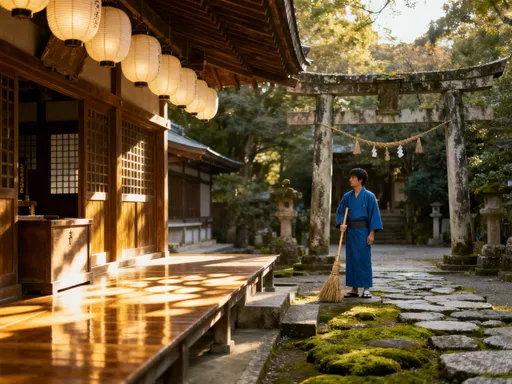
Another hidden gem is the monthly purification ritual at Sumiyoshi Shrine, where residents bring offerings of rice, salt, and sake to honor the kami (spirits). Visitors are often welcomed to observe, and in some cases, to join in simple prayers. The priest’s chants, the rustle of paper charms, and the scent of incense create a sensory experience that lingers long after. These moments are not curated for tourism but offered as part of a living spiritual practice.
Participating in these events requires openness and humility. A smile, a quiet demeanor, and a willingness to follow local customs go a long way. Learning a few basic Japanese phrases—such as *sumimasen* (excuse me) or *arigatou gozaimasu* (thank you)—can open doors. Locals often respond warmly to genuine interest, sometimes inviting guests to share a cup of green tea or sample a seasonal sweet. These small exchanges, though fleeting, foster real connection.
One spring evening, a traveler might find themselves in a quiet residential area, drawn by the sound of drums and flutes. There, a local shrine hosts its annual *Reitaisai*, a festival to honor the enshrined deity. Children perform traditional dances, elders serve homemade *dango* (sweet rice dumplings), and a simple mikoshi is carried around the neighborhood. There are no crowds, no tickets, no schedules—just the natural flow of tradition. In these moments, the boundary between visitor and community blurs, and the essence of slow travel is realized: not as observation, but as belonging.
Seasonal Rhythms: How Fukuoka Celebrates the Year
Fukuoka’s cultural calendar is shaped by the turning of the seasons, each bringing its own festivals, foods, and atmosphere. Travelers who align their visits with these natural cycles gain a deeper understanding of the city’s soul. In spring, the arrival of cherry blossoms transforms Maizuru Park into a sea of pale pink. Families and friends gather beneath the trees for *hanami*—flower viewing picnics—spreading blankets and sharing bento boxes. The mood is joyful yet reflective, a celebration of beauty and impermanence. Local vendors sell sakura-flavored treats, and evening illuminations extend the magic into the night.
Summer, of course, belongs to Yamakasa, but it also brings other water-themed festivals. Along the Naka River, small lantern-floating ceremonies honor ancestors and祈求 (prayer for) peace and health. The soft glow of paper lanterns drifting downstream creates a serene contrast to the festival’s daytime energy. In some neighborhoods, children write wishes on tanzaku papers and hang them on bamboo during Tanabata, the star festival, celebrating the annual meeting of two celestial lovers.
Autumn brings a shift in tone. The air cools, and the city’s temples host quieter, more contemplative events. At Shofuku-ji, Japan’s oldest Zen temple, autumn lantern festivals illuminate the garden with thousands of paper lights. The atmosphere is meditative, inviting quiet walks and reflection. This season also marks the harvest, celebrated with food festivals featuring sweet potatoes, persimmons, and freshly harvested rice. Local markets overflow with seasonal produce, and cooking workshops teach traditional preservation methods.
Winter in Fukuoka is marked by warmth—both literal and emotional. The city’s famous yatai stalls remain open, their red lanterns glowing like beacons in the cool air. New Year’s celebrations begin with *hatsumode*, the first shrine visit of the year. Families dress in their finest, bow at the altar, and write wishes on ema plaques. At Dazaifu Tenmangu Shrine, dedicated to the scholar Sugawara no Michizane, thousands gather to pray for academic success. The scent of roasted chestnuts, the sound of temple bells, and the sight of snow-dusted pine trees create a scene of quiet reverence. By following Fukuoka’s seasonal rhythm, travelers don’t just visit—they become part of the story.
Where to Stay, When to Go: Practical Slow Travel Tips
To truly embrace slow travel in Fukuoka, accommodation choices matter. Staying in a family-run ryokan or a quiet guesthouse near a temple district fosters a deeper connection to place. These lodgings often offer traditional tatami rooms, futon bedding, and homemade breakfasts featuring local ingredients like mentaiko and fresh vegetables. Some even host tea ceremonies or calligraphy lessons, allowing guests to engage with culture in an intimate setting.
For those seeking a blend of comfort and authenticity, neighborhoods like Dazaifu or Momochi offer peaceful retreats just minutes from the city center. Dazaifu, accessible by a short train ride, is home to the historic Tenmangu Shrine and serene walking paths through wooded hills. Staying here allows travelers to avoid the noise of downtown while remaining close to cultural highlights. Momochi, along the coast, offers modern apartments with ocean views and access to Seaside Momochi Park, ideal for morning walks.
Timing is equally important. While summer offers Yamakasa, it also brings heat and humidity. Spring and autumn provide milder weather and fewer crowds, making them ideal for slow exploration. If visiting for a festival, booking accommodations six to eight months in advance is advisable, especially for Yamakasa. However, to avoid the busiest days, consider arriving a few days before or after the main event. This allows for a more relaxed experience, with opportunities to see float preparations or post-festival clean-up rituals—moments often overlooked but rich in meaning.
Public transportation in Fukuoka is efficient and user-friendly. The subway system connects major districts, while buses serve more residential areas. A prepaid IC card, such as SUGOCA, simplifies travel. For slow travelers, renting a bicycle can be an excellent way to explore at a personal pace. Cycling along the Naka River or through the backstreets of Sakura no Baba offers a different perspective—one that rewards curiosity and patience. Balancing festival attendance with personal reflection time is key. After a morning of drumming and crowds, an afternoon in a quiet garden or a quiet café with a book can restore balance and deepen appreciation.
Savoring Tradition: Festival Food as Cultural Gateway
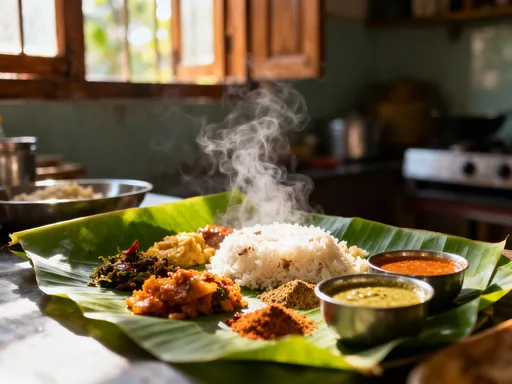
In Fukuoka, food is not an accessory to festivals—it is central to their meaning. Every celebration includes a culinary dimension, where flavors carry stories and recipes are passed down through generations. The city’s reputation as a food lover’s paradise is well earned, and its festival cuisine offers some of the most authentic tastes of Kyushu. At the heart of this is *mizutaki*, a chicken hot pot traditionally served during Yamakasa. Prepared in communal pots, it features tender chicken, cabbage, shiitake mushrooms, and tofu simmered in a light broth. After the main course, the remaining broth is used to cook *udon* noodles, creating a second dish rich with flavor and symbolism—waste is avoided, and every element is honored.
Another staple is *mentaiko*, spicy marinated cod roe that originated in Korea but was perfected in Fukuoka. Bright orange and fiery, it appears in rice bowls, pasta dishes, and as a filling for onigiri. During festivals, small stalls serve mentaiko grilled over open flames, the aroma drawing crowds. Equally iconic is the *yatai* culture, where portable food stalls line the riverside at night. Here, travelers can try Hakata ramen—thin noodles in a rich pork bone broth, topped with green onions and pickled ginger. Each yatai has its own recipe, and regulars often return to the same stall for years.
But festival food is more than sustenance—it is a social act. Sharing a meal breaks down barriers. A grandmother might offer a visitor a skewer of grilled mochi, a child might share a bag of candied fruit, and a shopkeeper might invite passersby to sample a new seasonal treat. These gestures, small and spontaneous, build bridges of kindness. They remind us that culture is not just seen but tasted, not just observed but shared. To eat in Fukuoka is to participate, to become part of the moment. And in doing so, the traveler is no longer an outsider, but a guest at the table.
Why This Kind of Travel Changes You
Traveling slowly through Fukuoka’s festivals does more than fill a passport with stamps—it changes the way one sees the world. It cultivates empathy, not through lectures or documentaries, but through shared silence at a shrine, through laughter over a bowl of ramen, through the awe of watching a centuries-old float race through the dawn. These experiences linger not as photos, but as feelings: the warmth of community, the beauty of tradition, the peace of presence.
In an age of fast tourism—where destinations are consumed in hours and memories are filtered through screens—Fukuoka offers an alternative. It invites us to slow down, to listen, to be. It teaches that culture is not a performance but a way of living, and that the most meaningful journeys are not measured in miles, but in moments of connection. The festivals of Fukuoka are not endpoints on an itinerary; they are invitations—to participate, to belong, to feel.
For the women who travel—not just as tourists, but as seekers of meaning, beauty, and authenticity—this kind of journey resonates deeply. It speaks to the heart that values care, connection, and continuity. It honors the wisdom of slowing down, of raising a family, of nurturing traditions. And in returning home, one does not simply bring back souvenirs, but a renewed sense of wonder, a quieter mind, and a fuller heart. True travel, as Fukuoka shows us, is not about how far you go—it’s about how deeply you feel when you arrive.