You Won’t Believe These Hidden Gems in Harare – A Must-See Local’s Perspective
Harare, the vibrant heart of Zimbabwe, is more than just a capital city—it’s a canvas of culture, color, and quiet charm waiting to be explored. As travelers seek authentic experiences off the beaten path, Harare offers surprising beauty in its markets, art scenes, and green spaces. This journey reveals the city’s best-kept secrets, showing how a local’s eye can transform ordinary moments into unforgettable views. Far from the well-trodden safari routes, Harare invites visitors to slow down, observe, and connect—with its people, its rhythms, and its soul. It’s not about ticking off landmarks, but about discovering the warmth hidden in everyday life.
The Soul of Southern Africa
Harare sits at an elevation of over 1,400 meters, giving it a mild, spring-like climate year-round—a natural advantage that enhances its appeal as a destination. Nestled in the northeastern highlands of Zimbabwe, the city serves as both a political and cultural hub for the nation. While many associate Zimbabwe with Victoria Falls or the ancient ruins of Great Zimbabwe, Harare holds its own as a center of creativity, resilience, and evolving identity. Its streets reflect layers of history—from colonial planning to post-independence transformation—yet remain deeply rooted in African traditions and community values.
What sets Harare apart is not grand monuments, but the subtle textures of daily life. Children walking to school in crisp uniforms, elders sharing stories on park benches, artisans shaping stone under the sun—these are the quiet moments that define the city. Unlike destinations built solely for tourism, Harare offers an unfiltered glimpse into contemporary urban African life. There is no pretense, only presence. For the mindful traveler, this authenticity becomes the greatest attraction, offering insight not just into a place, but into a way of being.
The city’s location also makes it a strategic starting point for broader exploration. With international flights connecting through Robert Gabriel Mugabe International Airport and reliable road links to key regional attractions, Harare functions as both gateway and destination. Yet increasingly, visitors are realizing that the city itself holds treasures worth lingering for—places where art thrives, nature breathes, and human connection remains central.
Why Harare? Rethinking Zimbabwe’s Capital
For years, Zimbabwe has been misunderstood by global travelers, often overshadowed by outdated perceptions of economic challenges or political instability. But those who look beyond headlines find a country rich in hospitality, creativity, and natural beauty. Harare, in particular, has emerged as a quiet leader in urban renewal and cultural preservation. Far from the chaos some expect, the city operates with a calm rhythm, where order coexists with spontaneity, and tradition blends seamlessly with modernity.
Urban exploration across Africa is gaining momentum, and Harare fits perfectly within this growing trend. Cities like Accra, Nairobi, and Cape Town have shown that African capitals can be dynamic, stylish, and deeply meaningful. Harare joins this movement with its own distinct flavor—less polished than some, perhaps, but more genuine. Here, you won’t find mass tourism infrastructure, and that’s part of its charm. Instead, there are neighborhood markets, independent galleries, and tree-lined avenues where life unfolds at a human pace.
Architecturally, Harare presents a fascinating mix. Colonial-era buildings stand alongside contemporary structures, many adorned with murals or embedded with local craftsmanship. The city was designed with greenery in mind—wide boulevards, public parks, and residential areas shaded by jacaranda and flame trees. These elements create a sense of openness and tranquility uncommon in many fast-growing cities. More than just aesthetics, this layout fosters a lifestyle centered on balance: between work and rest, city and nature, past and future.
The Art of Seeing: What Makes a “Best View”
When we think of great views, we often imagine mountain peaks, ocean sunsets, or sweeping city skylines. But in Harare, some of the most memorable sights are found at street level. A true view isn’t only about what you see—it’s about how you see it. The best perspectives come not from high vantage points, but from moments of connection: a vendor arranging mangoes in a rainbow of colors, a musician playing a mbira under a mango tree, or sunlight filtering through the leaves of a baobab in the botanical gardens.
Travelers who approach Harare with curiosity rather than expectation often discover that the city rewards patient observation. A morning walk down First Street reveals more than just shops and offices—it shows the city waking up. Street sweepers in bright vests, bakers pulling fresh bread from ovens, commuters greeting each other with warm “Mhoroi” (hello) greetings—these small interactions form a living mosaic. The rhythm of Harare is not rushed; it has a deliberate, grounded quality that invites presence.
This shift in perspective—from sightseeing to sensing—transforms the travel experience. Rather than chasing photo opportunities, visitors begin to appreciate the texture of daily life. The scent of roasted maize at a roadside stand, the sound of children laughing in a schoolyard, the sight of hand-carved soapstone figures displayed on a sidewalk table—these sensory details create lasting impressions. In Harare, the most beautiful views are not framed by windows, but lived in real time.
Top Local Perspectives: Where to Be, Not Just What to See
One of Harare’s cultural anchors is the National Gallery of Zimbabwe, located in the heart of the city. More than just a museum, it is a living space where art and community intersect. The gallery hosts rotating exhibitions of contemporary Zimbabwean artists, including painters, sculptors, and textile designers. Outside, the sculpture garden is an open-air sanctuary filled with stone carvings that seem to grow naturally from the earth. Works by renowned Shona sculptors stand among flowering shrubs and shaded benches, creating a dialogue between art and environment.
Visitors often spend hours wandering this peaceful space, drawn not only by the craftsmanship but by the sense of stillness it offers. Unlike formal galleries elsewhere, this one encourages interaction—children touch the bases of sculptures, elders sit nearby in quiet contemplation, and artists sometimes appear to discuss their work. It’s a place where culture isn’t preserved behind glass, but lived and shared.
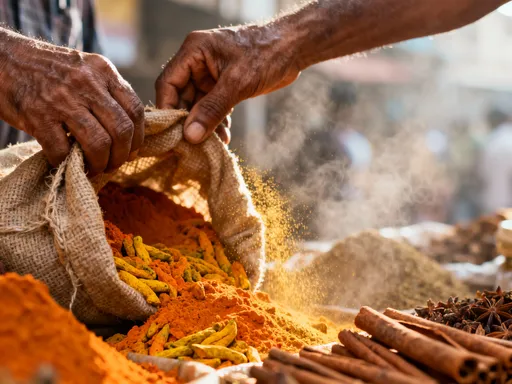
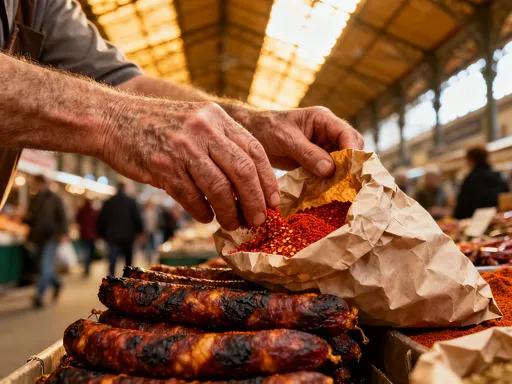
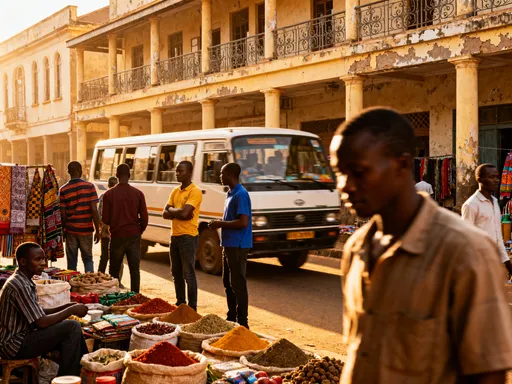
Nearby, Mbare Musika Market offers a contrasting yet equally authentic experience. As one of the oldest and largest markets in the city, it pulses with energy. Stalls overflow with fresh produce—papayas, sweet potatoes, leafy greens, and bundles of fragrant herbs. Vendors call out prices in Shona and Ndebele, while shoppers haggle with smiles. The air carries a blend of spices, ripe fruit, and wood smoke. For many locals, this market is not just a place to buy food—it’s a social hub, a meeting ground, a rhythm of life.
Another must-visit is the University of Zimbabwe campus, a sprawling green enclave in the suburb of Mount Pleasant. With its wide lawns, colonial-era buildings, and canopy of ancient trees, the campus feels like a quiet retreat. Students in neat uniforms walk between lectures, carrying books and engaging in lively debates. The university’s botanical research garden is open to the public and features native plant species, walking paths, and shaded seating areas. It’s a place where knowledge and nature coexist, offering visitors a chance to breathe deeply and reflect.
Hidden High Points: Physical and Emotional Vantage Spots
For panoramic views of the city, Kopje Park remains one of Harare’s best-kept secrets. Located in the suburb of Mount Hampden, this natural reserve features granite rock formations that rise dramatically from the earth. Climbing one of the outcrops rewards visitors with sweeping views of the city skyline framed by acacia trees and open sky. At sunrise or late afternoon, the light paints the rocks in golden hues, creating a serene and almost spiritual atmosphere. Birdwatchers may spot bulbuls, sunbirds, or even raptors circling above.
The park is also a place of historical significance, once used by early Shona communities for ceremonial purposes. Today, it serves as a quiet escape from urban life, popular with families, hikers, and those seeking solitude. Trails wind through the boulders and indigenous vegetation, offering both physical activity and mental refreshment. Because it’s less frequented by tourists, the experience feels intimate and unscripted.
For a more modern vantage point, rooftop cafes in the city center provide a different kind of perspective. Establishments like those found in Sam Levy’s Village or Borrowdale Brooke offer outdoor seating with views of the surrounding neighborhoods. Sipping a locally brewed coffee or a glass of Zimbabwean wine while watching the city lights come on is a simple yet profound pleasure. These spaces blend comfort with observation, allowing visitors to feel both part of the city and slightly apart from it.
Equally rewarding are the walking trails in the Harare Botanical Garden, established in 1962 and located near the suburb of Alexandra Park. Spanning over 60 hectares, the garden features themed sections including indigenous forests, ornamental lawns, and a medicinal plant trail. Paths meander beneath towering trees, past fountains, and alongside flowerbeds bursting with color. It’s common to see couples strolling, children chasing butterflies, or photographers capturing the perfect bloom. The garden doesn’t just showcase plants—it frames the city in green, reminding visitors that nature and urban life can coexist beautifully.
Engaging the Senses: A Day in the Life of a Harare Explorer
Imagine starting your day with a walk through Avondale, a leafy residential neighborhood known for its quiet streets and charming homes. Jacaranda trees line the sidewalks, their purple blossoms carpeting the ground in spring. Local gardeners tend to hibiscus and bougainvillea, while birds flit between branches. At a corner stall, you might buy a fresh coconut or a warm scone from a grandmother selling homemade treats. There’s no rush, no noise—just the gentle hum of a community beginning its day.
For lunch, a family-run eatery in the Glen Norah area offers traditional Zimbabwean dishes prepared with care. Sadza, a staple cornmeal porridge, is served alongside slow-cooked stew made with beef, greens, or chicken. The flavors are rich but not overwhelming—earthy, savory, comforting. Meals are often shared at communal tables, where conversation flows easily. The owner might join you briefly, asking about your journey and offering recommendations for other local spots. This kind of hospitality isn’t performed; it’s natural, rooted in the Zimbabwean value of *ubuntu*—I am because we are.
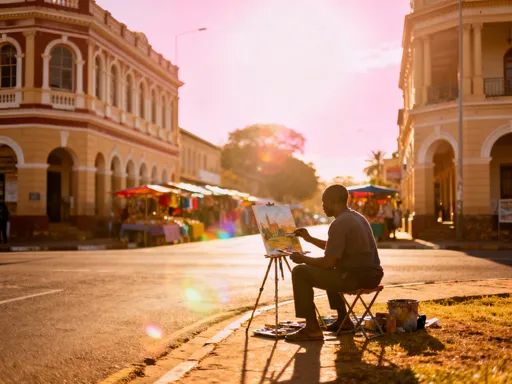
In the afternoon, a visit to a community art studio in the Tafara area offers a chance to meet the creators behind Harare’s vibrant art scene. These studios, often family-run, teach young people carving, painting, and textile design. Visitors are welcome to watch demonstrations, ask questions, and even try their hand at simple techniques. The artists speak passionately about their work, explaining how each piece carries meaning—spiritual, historical, or personal. Buying a small sculpture or painting here doesn’t just support the local economy; it becomes a meaningful connection across cultures.
As the sun begins to set, a drive back through the city reveals a different mood. Streetlights flicker on, children play soccer in open lots, and the scent of grilled meat drifts from evening food stalls. There’s a sense of completion, of a day well spent not chasing sights, but absorbing life. In Harare, the journey isn’t measured in kilometers, but in moments of understanding.
Practical Magic: Tips for a Smooth, Respectful Visit
To make the most of your time in Harare, timing matters. The best months to visit are from May to September, during the dry season when temperatures are mild and skies are clear. Rainy season, from November to March, brings lush greenery but occasional afternoon showers that may disrupt outdoor plans. Early mornings and late afternoons offer the best light for photography and the most comfortable walking conditions.
Getting around the city is relatively straightforward. Metered taxis are available at hotels and designated ranks, and ride-hailing apps like Bolt operate in urban areas. Walking is safe in well-populated neighborhoods like Borrowdale, Avondale, and Mount Pleasant, especially during daylight hours. For longer distances or market visits, hiring a trusted driver-guide can enhance both safety and understanding. Many locals are happy to assist with directions, and a simple greeting in Shona—“Mhoroi”—goes a long way in building rapport.
Respectful travel begins with small gestures. Always ask permission before photographing people, especially in markets or informal settings. Dress modestly, particularly when visiting cultural or religious sites. Support local businesses by purchasing crafts directly from artists or buying produce from street vendors. Avoid public displays of wealth, and carry cash in small denominations, as card payments are not universally accepted.
Engaging with the community—whether through a shared meal, a conversation, or a visit to a local project—enriches the experience for both visitor and host. Harare is not a destination to be consumed quickly, but one to be entered with openness and respect. When travelers approach the city with humility and curiosity, they often leave with more than memories—they leave with connection.
Conclusion: Seeing Harare as a Living Story
Harare is not a checklist of attractions. It is a living, breathing story—one written in the laughter of children, the chisel of an artist, the rustle of leaves in a city garden. To visit Harare is not to conquer a destination, but to participate in a moment of shared humanity. The city teaches us that beauty exists not only in the spectacular, but in the ordinary—the way a woman balances a basket on her head, the way sunlight hits a mural on a brick wall, the way a stranger offers a smile without expectation.
In an age of fast travel and curated experiences, Harare invites us to slow down. It asks us to see not with the eyes of a tourist, but with the heart of a witness. The best views are not the ones captured in photographs, but the ones that stay in the soul. When we travel with intention, with respect, and with a willingness to listen, we don’t just see a place—we feel it, remember it, and carry it forward.
So if you’re seeking more than just a vacation—if you’re searching for meaning, connection, and authenticity—consider Harare. Let its quiet strength surprise you. Let its people welcome you. And let its hidden gems remind you that the world’s most beautiful views are often found where you least expect them.