You Gotta See These Iconic Spots in Papeete — My Tahiti Journey Uncovered
Stepping into Papeete, the vibrant heart of Tahiti, feels like entering a living postcard where culture, history, and island rhythm blend seamlessly. I came for the beaches, but stayed for the landmarks — each one whispering stories of Polynesian pride and French-Oceanic fusion. From bustling markets to sacred sites, Papeete’s iconic spots offer more than photo ops — they’re gateways to the soul of the South Pacific. Let me take you through the must-see structures that shaped my journey.
Arriving in Papeete: First Impressions of Tahiti’s Capital
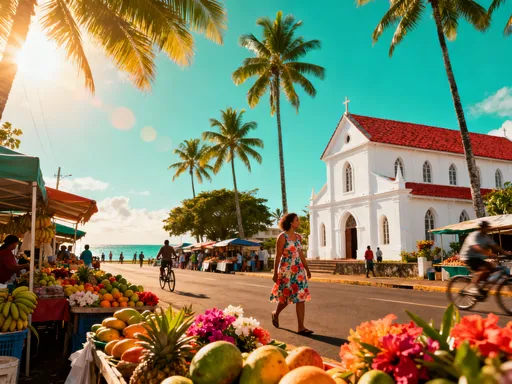
Papeete greets visitors with a symphony of colors, scents, and sounds that pulse with island energy. Nestled on the northwest coast of Tahiti, this capital city is not defined by towering skyscrapers but by a unique rhythm — one where ocean breezes carry the scent of frangipani and the distant beat of traditional drumming. Unlike other tropical capitals that lean heavily into tourism, Papeete remains authentically lived-in, where locals in pareos go about their daily routines and fruit vendors set up roadside stands beneath towering coconut palms. It’s a place where modernity and tradition coexist without conflict, where you might see a woman weaving a flower crown while her son checks messages on a smartphone.
For many travelers, Papeete serves as a brief stopover before heading to the more secluded islands like Bora Bora or Moorea. But to treat it merely as a transit point is to miss the essence of Tahitian life. This city is the cultural and administrative heartbeat of French Polynesia, a place where the nation’s identity is shaped and celebrated. The streets hum with a blend of Tahitian, French, and Chinese influences — visible in the architecture, cuisine, and daily interactions. Markets overflow with tropical produce, churches echo with harmonized hymns, and government buildings stand as quiet symbols of autonomy within the French Republic.
Understanding Papeete begins with shifting expectations. It’s not a polished resort town; it’s a working capital with soul. Its charm lies in its authenticity — in the way elders gather under banyan trees to chat, children play barefoot near the waterfront, and fishermen mend nets at dawn. To truly appreciate Papeete, one must approach it not as a backdrop but as a living, breathing community. This city invites engagement, offering travelers the rare opportunity to witness Polynesian culture not as a performance, but as a way of life.
The Heartbeat of the City: Le Marché de Papeete
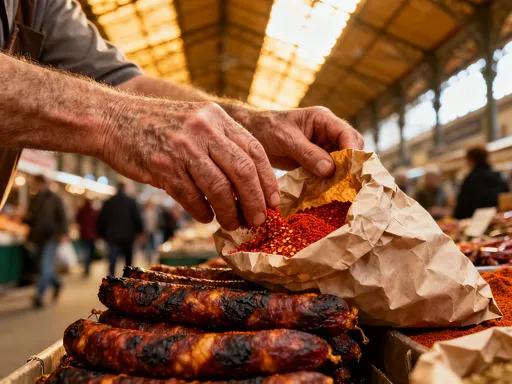
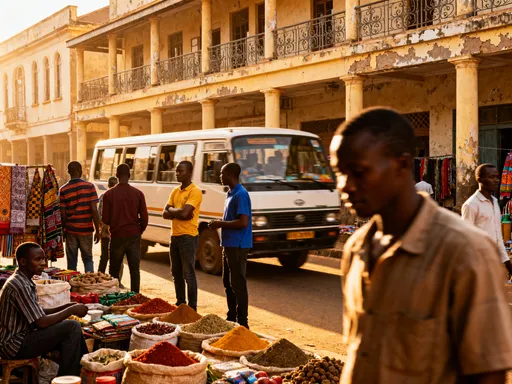
No visit to Papeete is complete without stepping into Le Marché, the city’s bustling central market. Located near the waterfront, this vibrant hub is a feast for the senses — a place where bright hues of tropical fruit, the earthy scent of vanilla, and the salty tang of fresh seafood mingle in the warm island air. Rows of wooden stalls stretch beneath a shaded canopy, each one carefully arranged with locally grown produce, handmade crafts, and traditional garments. It’s here that the rhythm of daily life in Tahiti becomes most palpable, where mothers barter for taro, elders select fragrant tiare flowers, and visitors wander wide-eyed through a world rich in flavor and tradition.
Le Marché is far more than a shopping destination; it is a cultural institution. Every item on display tells a story — from the purple yams grown in volcanic soil to the hand-carved wooden tikis that honor ancestral deities. The market is a living museum of Tahitian self-sufficiency, where local farmers, fishers, and artisans come together to sustain both their livelihoods and their heritage. Unlike commercial supermarkets, this market thrives on personal connection. Vendors greet regulars by name, offer samples with warm smiles, and take pride in explaining the origins of their goods. For visitors, this creates a rare opportunity to engage directly with the community, to ask questions, and to leave with more than just souvenirs — but with understanding.
For those planning a visit, timing is key. The market is most lively in the early morning, between 6:00 and 10:00 a.m., when the freshest fish arrive and the fruit is just unpacked. This is the best time to experience its full energy and to secure the highest quality items. Visitors should come with curiosity and an open mind, ready to try new flavors such as poisson cru — raw fish marinated in coconut milk and lime, a Tahitian staple. Cash is preferred, and small bills are appreciated. Most importantly, approach the experience with respect. Ask before taking photos, greet vendors with a simple "ia ora na" (hello), and embrace the slower pace of interaction. Le Marché is not a tourist attraction to be rushed through, but a cultural space to be honored.
A Symbol of Faith and History: Église de Notre-Dame de Papeete
Rising above the city’s skyline with its striking rose-colored walls and twin bell towers, the Église de Notre-Dame de Papeete stands as a powerful symbol of both faith and cultural fusion. Constructed in the late 19th century, this Roman Catholic church reflects the deep influence of French missionaries in Polynesia, yet it is far from a mere import of European design. Local artisans contributed to its construction, incorporating subtle Polynesian elements into the architecture — seen in the carved wooden doors and the use of coral stone in the foundation. The church’s vibrant exterior, painted in hues reminiscent of tropical sunsets, makes it one of Papeete’s most photographed landmarks, but its significance goes far beyond aesthetics.
The church plays a central role in the spiritual and communal life of the city. Sunday masses are attended by families dressed in their finest, often wearing traditional attire such as the pāreu and adorned with flower necklaces. Hymns are sung in both French and Tahitian, creating a unique blend of linguistic and musical traditions. The church has also witnessed key moments in Tahiti’s modern history, serving as a gathering place during times of celebration and national reflection. Its presence is a reminder of how religion, introduced centuries ago, has been embraced and reshaped by the local people to reflect their own identity.
Visitors are welcome to tour the church, but should do so with reverence. Modest dress is required — shoulders and knees must be covered — and silence should be observed during services. The best time to visit is outside of mass hours, typically between 9:00 a.m. and 4:00 p.m. on weekdays. While photography is permitted, it should be done discreetly and without flash. Taking a moment to sit inside, away from the city’s bustle, offers a rare sense of peace. The stained-glass windows filter sunlight into soft, colorful patterns, and the faint scent of incense lingers in the air. This is not just a building; it is a living sanctuary where history, faith, and community converge.
The Seat of Power: The Presidential Palace (Fa’a’ā’ua)
Just a short walk from the waterfront stands the Presidential Palace, locally known as Fa’a’ā’ua, the official residence of the President of French Polynesia. Surrounded by lush gardens and guarded by ceremonial sentries in traditional dress, the palace exudes quiet authority. Its architecture is modest yet dignified, blending colonial-era design with Polynesian craftsmanship. The white façade, wide verandas, and red-tiled roof reflect its French roots, while the intricate wood carvings on the gates and pillars honor local artistry. Unlike grand presidential residences in other nations, this building maintains a sense of approachability, nestled within the city rather than isolated behind high walls.
The palace is not open for interior tours, but visitors are welcome to view it from the exterior and observe the changing of the guard, a ceremonial event that takes place regularly and draws small crowds. The guards, dressed in crisp white uniforms with red sashes and traditional headdresses, perform their duties with precision and pride. This ritual is more than a formality — it is a symbol of national dignity and the peaceful exercise of self-governance within the framework of the French Republic. French Polynesia, while an overseas collectivity of France, maintains its own elected government and legislative assembly, and the palace stands as a testament to that autonomy.
Understanding the role of the Presidential Palace requires context. French Polynesia has a unique political status — it is neither fully independent nor entirely French in the way that metropolitan regions are. This balance is reflected in the cityscape of Papeete, where French flags fly alongside Tahitian ones and government documents are issued in both languages. The palace, therefore, is not just an administrative building but a symbol of cultural negotiation — a place where Polynesian identity and French affiliation coexist. For visitors, observing the palace offers a quiet lesson in the complexities of modern Pacific governance, all within a setting of understated elegance.
Celebrating Heritage: The Museum of Tahiti (Musée de Tahiti et des Îles)
Perched on a hillside overlooking Punaauia, just a short drive from Papeete, the Musée de Tahiti et des Îles is the island’s premier institution for cultural preservation and education. Spread across expansive grounds that include native gardens and reconstructed traditional dwellings, the museum offers an immersive journey into the history, spirituality, and daily life of the Polynesian people. Its architecture is inspired by traditional marae (sacred sites), with open-air pavilions and natural materials that blend seamlessly into the landscape. From the moment visitors arrive, they are invited not just to observe, but to experience the depth and richness of Tahitian heritage.
The museum’s exhibits are thoughtfully curated and deeply informative. One of the most compelling sections explores Polynesian navigation — the extraordinary skill that allowed ancient voyagers to cross thousands of miles of open ocean using only the stars, waves, and bird flight patterns. Life-sized models of outrigger canoes and detailed star charts illustrate this legacy, while interactive displays allow visitors to simulate celestial navigation. Other galleries delve into mythology, showcasing wooden carvings of gods like Oro and Tane, and explore everyday life through reconstructed village scenes, traditional tools, and ceremonial attire. The museum also addresses the impact of European contact, presenting a balanced narrative that honors both resilience and adaptation.
For families and curious travelers alike, the Musée de Tahiti et des Îles is an essential stop. Guided tours are available in French and English, and audio guides provide additional context. The museum staff, many of whom are of Polynesian descent, speak with passion about their ancestors and the importance of preserving knowledge for future generations. Visitors are encouraged to walk slowly, to ask questions, and to take time in the peaceful gardens, where native plants like taro, breadfruit, and hibiscus grow in abundance. This is not a museum that feels distant or academic; it is a living tribute to a culture that continues to thrive.
Monuments That Speak: The Paofai and World War I Memorial
Amid the urban landscape of Papeete, Paofai Gardens offers a serene retreat — a green oasis where locals gather for quiet reflection, morning walks, and cultural events. At its heart stands the World War I Memorial, an elegant stone monument dedicated to the Tahitians who served in the French military. The structure is simple yet powerful: a central obelisk inscribed with names, surrounded by palm trees and native flowers. Unlike war memorials in other parts of the world that emphasize conflict, this one radiates solemn peace, honoring sacrifice without glorifying war. It is a place of remembrance that feels deeply personal, where families leave small tokens and children learn about history through quiet observation.
The memorial reflects Tahiti’s complex relationship with France. Though thousands of miles from Europe, the islands contributed soldiers, laborers, and resources during both World Wars, a fact often overlooked in broader historical narratives. The monument ensures that their service is not forgotten. It is especially poignant during national commemorations, when the community gathers to lay wreaths and sing hymns in Tahitian. The surrounding gardens, with their shaded benches and gentle pathways, enhance the sense of reverence, making this one of Papeete’s most contemplative spaces.
Paofai Gardens itself is more than just a memorial site — it is a living part of the city’s social fabric. Locals come here to escape the heat, read under the trees, or practice traditional dance. The space is well-maintained and welcoming, with clear signage and accessible pathways. For visitors, it offers a rare opportunity to experience Papeete’s quieter side, where history and daily life coexist in harmony. Sitting on a bench beneath a coconut tree, listening to the rustle of leaves and distant laughter, one gains a deeper appreciation for how Tahitians honor their past while embracing the present.
Walking the Waterfront: The Papeete Port and Avenue du Président John F. Kennedy
The Papeete waterfront is where the city’s past and future converge. The port, once a hub for colonial trade, now welcomes cruise ships, cargo vessels, and local ferries that connect Tahiti to neighboring islands. Watching the comings and goings from the seawall offers a dynamic view of island life — fishermen unloading their catch, families boarding boats to Moorea, and tourists snapping photos of the turquoise bay. The port area has been revitalized in recent years, with improved walkways, lighting, and public art installations that celebrate Polynesian motifs. It’s a space that honors utility while inviting leisure, where commerce and community share the same shoreline.
Adjacent to the port runs Avenue du Président John F. Kennedy, Papeete’s main thoroughfare and commercial spine. Lined with shops, cafes, banks, and government offices, this bustling avenue pulses with activity from morning until evening. Unlike the manicured streets of tourist resorts, this is real urban Tahiti — where locals run errands, students walk to school, and street vendors sell fresh coconut water. The architecture is a mix of colonial-era buildings, modern storefronts, and colorful murals that depict Polynesian legends and ocean life. Walking down this avenue, one feels the heartbeat of the city — not in grand gestures, but in the rhythm of daily movement.
Street art has become an important form of expression in Papeete, and the avenue features several large-scale murals created by local artists. These works often depict traditional navigation, family unity, and environmental stewardship, reinforcing cultural values in public space. Cafes along the route offer a chance to pause — sipping a coconut smoothie while watching the world go by. Though the avenue can be busy, it never feels overwhelming. There is a sense that development here respects, rather than overrides, cultural identity. Buildings may be modern, but they often incorporate natural materials and open designs that echo traditional architecture. This balance between progress and preservation defines Papeete’s evolution.
Conclusion: Why Papeete’s Landmarks Matter Beyond Sightseeing
Papeete is often overlooked, dismissed as a transit point or overshadowed by Tahiti’s more famous islands. But those who take the time to explore its landmarks discover a city rich in meaning, where every structure tells a story of resilience, identity, and cultural harmony. From the vibrant market to the solemn memorial, from the presidential palace to the hillside museum, these sites are not just places to visit — they are windows into the soul of French Polynesia. They reveal a people who have preserved their heritage while embracing change, who honor both ancestors and modernity with equal respect.
To walk through Papeete is to engage with authenticity. It is to see how culture lives not in isolation, but in the everyday — in the way a vendor arranges fruit, a child learns a traditional song, or a community gathers to remember. These landmarks do more than mark locations on a map; they anchor identity, foster pride, and invite connection. For the thoughtful traveler, especially one seeking depth over spectacle, Papeete offers a rare gift: the chance to understand a place not through postcards, but through presence.
So come with curiosity. Come with respect. Come ready to listen as much as to look. Papeete may not have the overwater bungalows or dramatic peaks of other destinations, but it has something just as valuable — heart. And in the end, it is the heart of a place that leaves the deepest impression. This city is not a stopover. It is a destination. And it is waiting to be truly seen.