You Won’t Believe What I Found Shopping for Food in Budapest
Wandering through Budapest’s markets and side streets, I stumbled upon a food lover’s paradise hidden in plain sight. This isn’t just about shopping—it’s about tasting the soul of Hungary. From smoky sausages to golden pastries dusted with powdered sugar, every bite tells a story. You don’t need a fancy tour to find magic; sometimes, it’s waiting at a quiet stall or a local vendor’s smile. Let me take you where flavor meets discovery. Budapest, with its layered history and deep-rooted culinary traditions, offers an experience that transcends the ordinary. It’s a city where food is not merely sustenance but a celebration of heritage, seasonality, and community. Whether you’re browsing the bustling aisles of the Great Market Hall or chatting with a cheesemaker in a quiet neighborhood grocer, you’re engaging with a living culture that values authenticity above all.
The Heartbeat of Hungarian Flavor: Budapest’s Market Culture
Budapest’s markets are more than places to buy groceries—they are vibrant social hubs where generations gather, recipes are exchanged, and local pride is on full display. At the heart of this tradition stands the Great Market Hall, a grand iron-and-glass structure that has served the city since 1897. Located on the Pest side near the Liberty Bridge, it draws both residents and visitors into its three-level labyrinth of food, crafts, and conversation. The ground floor overflows with seasonal produce: crates of deep red tomatoes, bushels of crisp peppers, and baskets of fragrant herbs. Upstairs, the air is rich with the scent of roasting coffee, warm bread, and slow-cooked stews simmering in clay pots.
What makes this market exceptional is not just its scale but its continuity. Families return weekly to the same vendors, exchanging pleasantries and placing trusted orders. A grandmother might ask for extra paprika in her kolbász, while a young couple picks up fresh túró for a weekend cheese dumpling recipe. These interactions are not transactions—they are threads in the fabric of daily life. The market also serves as a bridge between rural producers and urban consumers, ensuring that ingredients like homemade lard, smoked meats, and hand-rolled noodles remain central to Hungarian kitchens.
Beyond the Great Market Hall, smaller neighborhood markets echo this rhythm. In districts like Kőbánya or Újpest, locals shop at open-air stands where prices are fair, produce is fresh, and personal connections matter. These spaces may lack the grandeur of the central hall, but they offer something equally valuable: authenticity. Here, there’s no performance for tourists—just real people buying real food for real meals. For the visiting food enthusiast, spending time in these markets is like being handed a key to the city’s culinary soul.
From Paprika to Pickles: What to Buy and Why It Matters
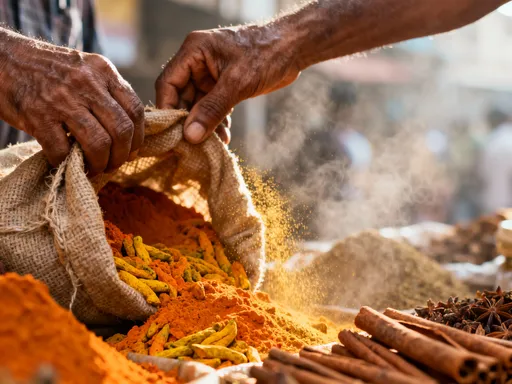
No exploration of Hungarian food is complete without understanding the role of paprika—the country’s most iconic ingredient. More than just a spice, it is a cultural symbol, a source of regional pride, and the cornerstone of countless dishes. Grown primarily in the southern regions of Hungary, particularly in Szeged and Kalocsa, paprika ranges from sweet and mild to hot and smoky. The finest varieties are sun-dried and ground in small batches, preserving their vibrant color and deep flavor. When shopping, look for deep red powder that smells earthy and slightly sweet—avoid any that appear dull or dusty, as this may indicate age or poor storage.
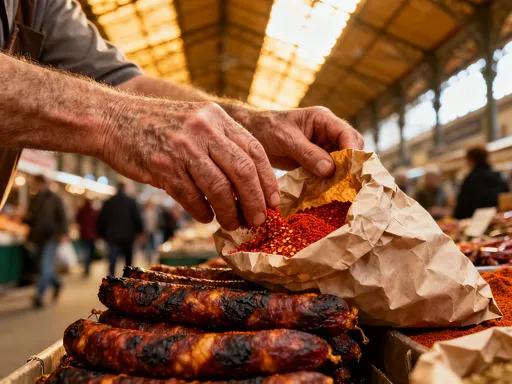
Equally essential is kolbász, Hungary’s traditional smoked sausage. Made from pork, seasoned with paprika, garlic, and marjoram, and cured over beechwood fires, it carries the essence of the countryside. There are many types—from the mild Debreceni to the spicier Csabai—but all share a rich, smoky depth. When selecting kolbász, choose firm, well-smoked links with a natural casing. Vacuum-sealed versions are convenient for travel, but those sold at market counters often have superior flavor. Store them in a cool, dry place, and slice thinly for sandwiches, stews, or appetizer platters.
Another staple worth seeking is csipetke, a small pinched noodle used in soups and stews. Unlike dried pasta, it is often made fresh and adds a delicate texture to dishes like chicken paprikash. Pickled vegetables—especially cucumbers, cabbage, and peppers—are also widely available and perfect for balancing rich, fatty foods. These ferments are typically made with garlic, dill, and minimal vinegar, allowing natural tang to develop over time. When purchasing, opt for jars with live cultures—those stored in refrigerated sections—which offer both flavor and digestive benefits.
Hidden Grocery Gems: Where Locals Shop Off the Tourist Trail
While the Great Market Hall is a must-see, some of Budapest’s most rewarding food experiences happen far from the guidebook pages. In neighborhoods like Józsefváros (District VIII) and Kispest, everyday Hungarians shop at small grocery stores, family-run delis, and weekend farmers’ markets that fly under the radar. These spots may not have English signage or polished displays, but they offer a truer taste of local life. One such place is the Máriaremetei úti Market in northern Pest, a modest yet well-stocked hall where elderly women bargain for mushrooms in season and butchers hand-cut pork chops to order.
Another hidden gem is the Szent János Piac in District XIII, a covered market that blends tradition with modern convenience. Here, you’ll find vendors selling homemade szalámi, fresh goat cheese, and jars of wild plum jam collected from nearby forests. Prices are typically lower than in tourist-centric areas, and the variety often surpasses that of larger supermarkets. Unlike chain stores, these markets carry regional specialties that reflect the changing seasons—morel mushrooms in spring, sour cherries in summer, and chestnuts in autumn.
Shopping in these neighborhoods also reveals how Hungarians approach food with intention. There’s little waste, and packaging is minimal. Customers bring their own cloth bags, weigh produce on shared scales, and pay in cash. This slower, more deliberate rhythm stands in contrast to the fast-paced shopping common in other European capitals. For the observant visitor, it’s a lesson in mindful consumption. By choosing to shop where locals do, you’re not only saving money but also supporting small-scale producers and preserving culinary traditions that might otherwise fade.
Sweet Stops: Hunting for Hungary’s Best Pastries and Sweets
If Hungarian savory food tells the story of resilience and resourcefulness, its desserts sing of celebration, craftsmanship, and indulgence. Budapest’s pastry culture is rich and varied, shaped by Austro-Hungarian influences and a deep love for butter, nuts, and fruit. One of the most beloved treats is rétes, a flaky, rolled pastry filled with poppy seed, walnut, or cottage cheese. Unlike strudel, which can be soft and bread-like, rétes has a crisp, layered texture that shatters with each bite. The best versions are made fresh daily, often before dawn, in small neighborhood bakeries with names known only to locals.
Another icon is the dobos torte, a layered sponge cake with chocolate buttercream and a caramel-topped surface that glistens like stained glass. Invented in the 19th century by József Dobos, it was designed to stay fresh without refrigeration—a practical innovation that became a national treasure. Today, you can find excellent dobos at established confectioneries like Gerbeaud and Ruszwurm, both historic institutions that have served royalty and commoners alike. Yet some of the most memorable slices come from unmarked shops tucked into side streets, where grandmothers still use hand-cranked mixers and family recipes passed down for generations.
For something less known but equally delightful, try túrós batyu—a dumpling made from dough filled with sweetened túró (fresh cheese), often flavored with lemon zest and raisins, then boiled and dusted with cinnamon and sugar. It’s humble in appearance but deeply comforting, like a sweet cousin to the savory cheese dumplings served at family dinners. These desserts aren’t just food—they are edible heirlooms, carrying memories of Sunday lunches, holiday gatherings, and childhood afternoons. To taste them is to be welcomed into a private, cherished world.
Cheese, Wine, and Small-Batch Delights: Gourmet Shopping in the Capital
In recent years, Budapest has seen a quiet renaissance in artisanal food production. A new generation of makers—cheesemongers, vintners, beekeepers, and jam-makers—are reviving old methods while embracing sustainability and traceability. This movement has given rise to a network of specialty shops where quality trumps quantity, and provenance is proudly displayed. One such place is Bormár, a wine and delicatessen shop in the 6th district that focuses exclusively on Hungarian small-batch producers. Here, you can sample crisp whites from Somló, bold reds from Villány, and the legendary Tokaji aszú, a sweet wine made from botrytized grapes that has been celebrated for centuries.
Cheese lovers will find equal delight in shops like Tejkuhár, which showcases artisanal dairy from the Hungarian plains and hills. Sheep milk cheeses from the Bükki Mountains, cow’s milk varieties from the Great Plain, and fresh goat cheeses from small farms near Lake Balaton are all available. Many are aged in natural cellars and wrapped in cloth or wax, preserving their character and terroir. These cheeses pair beautifully with local honeys, quince paste, and crusty sourdough bread—perfect for a picnic by the Danube or a hosted dinner back home.
Jams, mustards, and infused oils are also part of this gourmet wave. Made in small batches with seasonal fruit—apricot, sour cherry, wild raspberry—these preserves avoid the cloying sweetness of mass-produced versions. Look for labels that list only fruit, sugar, and lemon juice, with no added pectin or preservatives. Many are sold at weekend markets or in eco-stores that prioritize local sourcing. For travelers, these items make thoughtful, transportable gifts—far more personal than souvenirs from souvenir shops. They carry the essence of Hungary in a jar, a bottle, or a wedge of cheese.
How to Shop Like a Local: Practical Tips for Food-Focused Visitors
To truly enjoy Budapest’s food culture, it helps to follow a few simple guidelines. First, time your visits wisely. The Great Market Hall and most neighborhood markets are busiest on weekends, especially Saturday mornings. For a calmer experience, go early on a weekday—around 8 or 9 a.m.—when vendors are setting up and produce is at its freshest. Avoid late afternoon, when selection may be limited and some stalls have already closed.
Cash is still king in many smaller shops and market stalls, even in the city center. While larger stores and specialty boutiques accept cards, it’s wise to carry some Hungarian forints for small purchases. ATMs are widely available, but those at banks or post offices typically offer better exchange rates than tourist kiosks. When paying, always wait for the vendor to give you your change—tipping is not expected at markets, though a polite 'köszönöm' (thank you) goes a long way.
Learning a few basic Hungarian phrases can also enhance your experience. 'Mennyi?' (How much?), 'Szeretnék egyet' (I would like one), and 'Finom!' (Delicious!) show respect and often prompt friendly responses. Don’t be surprised if a vendor offers a sample—this is common and considered a gesture of hospitality. When accepting, say 'Köszönöm szépen' with a smile.
Portion sizes can be generous, especially with meats and cheeses. If you’re buying for immediate consumption, ask for a smaller amount—'Kicsit, kérem' (A little, please). Be mindful of what you can carry and consume, especially in warm weather. Finally, pay attention to seasonality. Spring brings wild greens and asparagus, summer offers stone fruits and peppers, autumn is mushroom and grape season, and winter features preserved foods and hearty stews. Shopping with the seasons ensures the best flavor and supports sustainable agriculture.
Beyond the Bag: Turning Your Purchases into a True Taste of Home
The joy of food shopping in Budapest doesn’t end at the checkout counter. The real magic happens when you bring your finds into the kitchen and recreate the flavors you’ve discovered. A jar of paprika can transform a simple chicken dish into a comforting paprikás csirke. A slice of kolbász adds depth to scrambled eggs or a rustic sandwich. Even a packet of csipetke can be simmered in broth for a quick, soul-warming soup. These ingredients are not just souvenirs—they are tools for connection, allowing you to share a piece of Hungary with family and friends.
Storage is key to preserving quality. Keep paprika in a cool, dark place—ideally in a glass jar with a tight seal—and use it within six months for peak flavor. Vacuum-sealed meats can last for weeks, but once opened, they should be consumed within a few days or frozen. Fresh cheeses and dairy products should be refrigerated immediately. If you’re traveling by air, pack dry goods like noodles, spices, and jams in your checked luggage to avoid liquid restrictions.
Consider creating a 'taste of Hungary' evening at home. Set a simple table with a dobos torte for dessert, a cheese board featuring Hungarian varieties, and a glass of Tokaji or a light red wine. Share stories from your trip—the vendor who gave you a free sample, the bakery with the golden rétes, the quiet moment watching an elder roll dough by hand. In doing so, you extend the journey beyond geography, turning food into memory, and shopping into storytelling.
Ultimately, food shopping in Budapest is about more than filling a basket. It’s about slowing down, engaging with people, and discovering culture through the senses. It’s a reminder that the most meaningful travel moments often happen in ordinary places—between stalls, behind counters, in the quiet exchange of a smile and a 'köszönöm'. When you shop with curiosity and respect, you don’t just take home ingredients. You bring back a deeper understanding of a place, one authentic bite at a time.